
Education built for the real world.
Step away from outdated curricula. Join intensive, practitioner-led programs designed to turn ambitious talent into industry-ready leaders.
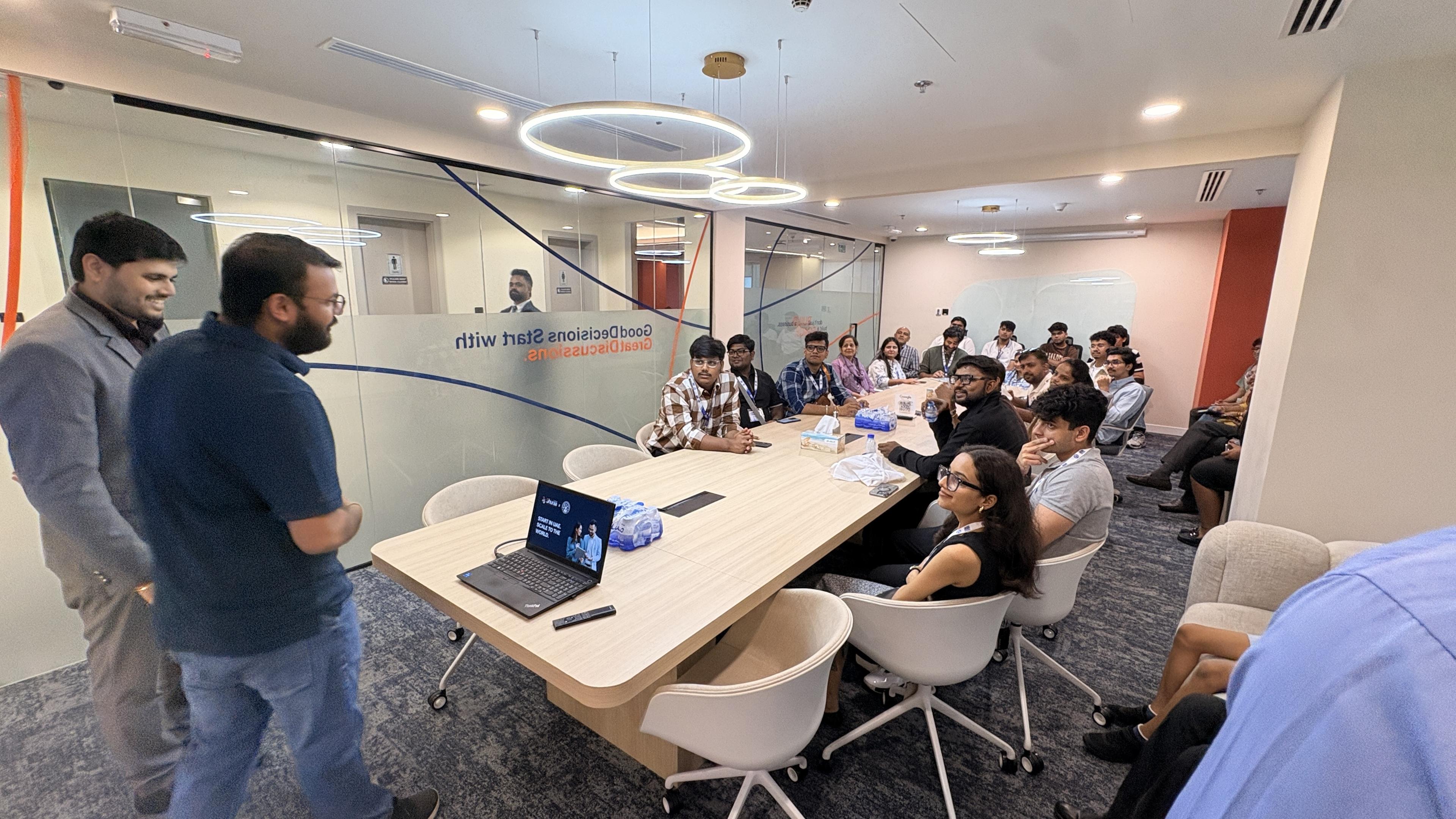
The difference is in the delivery.
We don't do traditional classrooms. Our industrial training is a simulated work environment where you learn by doing, guided by the best in the business.
Taught by Practitioners
Learn from CXOs, Directors, and senior leaders who are actively building at the world's best companies.
Real-World Projects
No dummy datasets. Work on live problems sponsored by our network of partner startups and enterprises.
Global Context
Our curriculum integrates global case studies, ensuring you are prepared for international roles.
Outcome Driven
We focus on tangible skills that translate directly into career acceleration and premium placements.
Our Programs
Intensive. Immersive.
Industry-Ready.
Tech & Business Management
A flagship program designed to bridge the gap between engineering and executive leadership. Learn how to build scalable products while managing P&L, strategy, and high-performing teams.
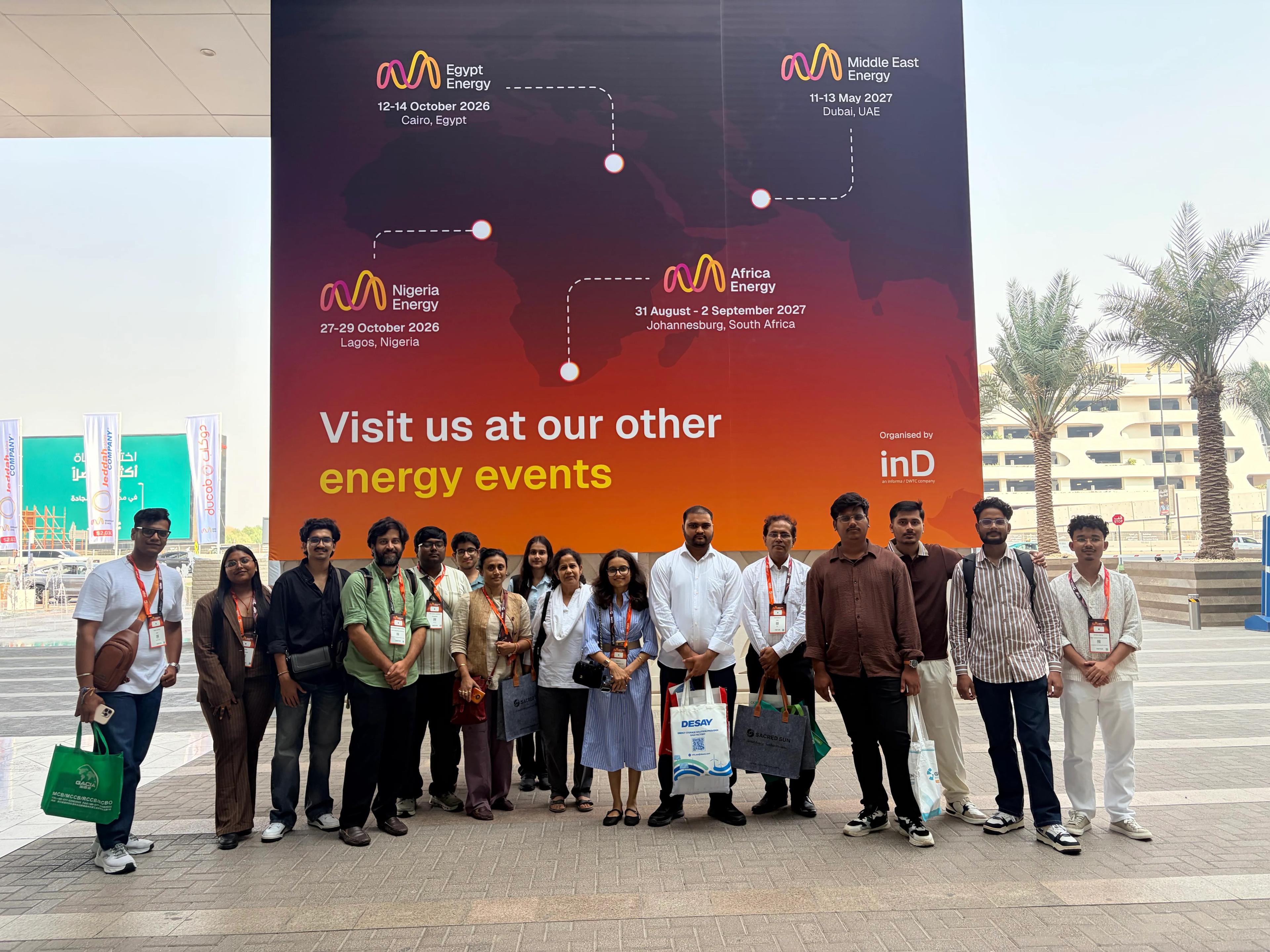
Applied AI & Data Science
Move beyond theory. Build real-world AI applications, train LLMs on custom data, and learn how to deploy machine learning models in production environments.
Product Management & Growth
Take a product from zero to one. Learn user psychology, growth loops, and data-driven decision making directly from PMs at hyper-growth startups.
Ready to accelerate your career?
Join a cohort of ambitious individuals. Limited seats available for the upcoming intake.